
Historic preservation presents many challenges to cities and towns. Property owners and community leaders must navigate complex decisions about how to protect and maintain their historic structures, while misconceptions about preservation regulations can make those decisions more difficult. Still, historic buildings and places are often among a community’s greatest assets — helping define its identity, strengthen its economy and support a sustainable downtown district.
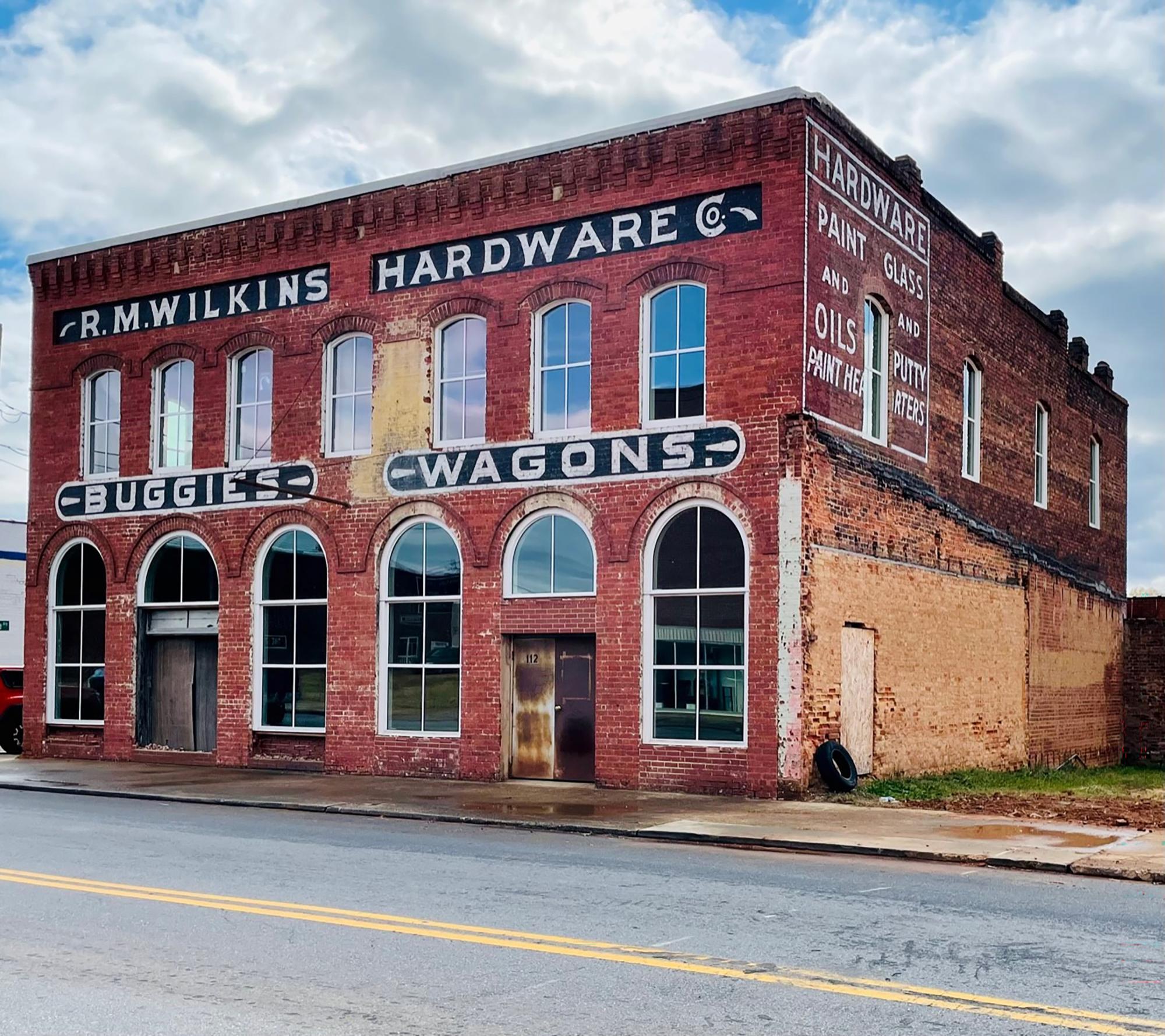
To help communities navigate these issues, Main Street South Carolina, the downtown revitalization technical assistance program of the Municipal Association of SC, created the Historic Preservation: A Main Street Leader’s Guide. Much of this new resource was created by Hannah Davis, development manager with the City of Florence, who leads the Downtown Florence Main Street program.
Davis described the guide, which includes practical tools, resources and workbook sections, as a resource created with the directors of the state’s Main Street programs in mind, aimed at helping them advocate for the value of preservation, and promote the practices proven to help preserve properties and maintain a strong downtown business district.
“Sometimes, preservation gets lost in the shuffle and misunderstood because it’s highly technical and requires a lot of skill and background,” she said. “This really is intended to be something that anyone could pick up, from a brand-new local practitioner to an elected official to a seasoned planner. They can have a toolkit, specifically geared toward South Carolina, that will help them make better decisions for their communities when it comes to asset protection or cultural resource navigation.”
The guide helps readers understand what makes a property historically significant, including its age, its architectural integrity, its character-defining features and its connection to important historical events, people or patterns. Because understanding preservation means understanding its language, the guide covers the architectural elements of a historic storefront, from parapets and cornices to transoms, pilasters and bulkheads.
Preservation advocacy can involve everything from education and promotion to community partnership building. It can also help property owners identify tax credit programs and other resources so they can maintain and improve their buildings while maintaining historical integrity.

The guide explains steps that local governments can take to promote preservation — adopting local preservation ordinances, establishing community design standards and incorporating preservation into downtown master plans. They can also create Bailey Bill tax incentives, establish facade grant programs and participate in the SC Certified Local Government Program, which opens access to grant opportunities.
The guide covers steps that local leaders can take when first undertaking preservation efforts, as well as building inventories and performing building assessments. It also explains the frequently misunderstood role of a listing on the National Register of Historic Places, which qualifies a property for tax credits, but which does not restrict property rights or prevent demolitions.
The guide also addresses major challenges facing historic properties, including deferred maintenance, inappropriate building alterations and absentee property ownership. Seasonal property owner checklists explain how to prioritize maintenance issues in South Carolina’s climate.
“Historic preservation provides communities a way to build on what they already have,” said Jenny Boulware, Main Street SC Manager. “This guide gives local leaders practical tools to better understand those physical assets, communicate their value and make informed decisions about how to preserve and reinvest in them.”