
South Carolina towns and cities, particularly along the fast-growing coast, are taking a proactive approach to helping workers and moderate-income residents find affordable housing. These efforts include building affordable units for sale and rent on city-owned property, and encouraging developers to include lower-cost options in their planning.
For Bluffton’s leaders, the answer has been a mix of new construction, redevelopment, homeowner assistance and resident outreach. The city has offered incentives like density bonuses, faster local permitting and town-owned land to entice builders into workforce housing projects.

“We tell developers, we are in need of anything that you can give us, whether it’s 10, whether it’s five, we will take it,” said Victoria Smalls, the town's affordable housing director.
Smalls, who has worked for the town for nearly eight years and was promoted into her expanded affordable housing role earlier this year, said recent successes included a 12-unit development set to open in the fall that will provide two- and three-bedroom, owner-occupied townhomes for residents earning 60% to 100% of the area median income.
Earlier efforts included the Wharf Street Home Redevelopment Project, which replaced two vacant structures in Bluffton’s Historic District with six affordable green cottages for owner-occupied, low- and moderate-income housing, as well as private apartment complexes that set aside units for lower-income residents.
Bluffton also is helping residents keep their homes updated through the Neighborhood Assistance Program. It helps longtime families — including many with deep Gullah roots — remain in place by providing up to $20,000 per home for repairs, including roofs, flooring, plumbing and electrical work, at no cost to income-qualified homeowners. In FY 2026, Bluffton budgeted $400,000 for the effort and supplemented it with a $50,000 grant from the Beaufort Jasper Housing Trust Fund, resulting in about 40 completed projects for homeowners.
“We love to help those that are already established, those that have been here, stay in their homes,” Smalls said.
In nearby Hardeeville, city leaders are using public-private partnerships and innovative financing strategies to help residents find affordable housing.
“We have the same issue that a lot of other communities have, which is the cost of housing in our community and surrounding areas has increased exponentially over the last 10 years,” said City Manager Josh Gruber.
Gruber said Hardeeville’s average home price of $400,000 is significantly lower than Hilton Head Island and Bluffton, but still a stretch for working residents.
To help close that gap, Hardeeville created an attainable housing task force in 2019 including real estate agents, lenders, nonprofits and developers. One project to emerge from it is Harvey Place — a 10-unit townhouse development on Main Street, from which residents can walk to shops and downtown offices. The city provided the necessary land, while Forino Homes agreed to build the townhouses at cost. Habitat for Humanity of the Lowcountry qualified buyers and helped oversee the homeownership process, and the Beaufort Jasper Housing Trust contributed support. This collaboration meant the townhomes that would typically sell for $350,000 were sold for about $250,000.

“The most successful tool that we’ve seen in a lot of cases is public-private partnerships,” Gruber said. “Everybody brings something to the table, and by combining all those resources, the cumulative impact is that you can reduce those per-unit costs and make them more affordable.”
The development is fully occupied, and Hardeeville has started planning a second phase of 18 units on about 4 acres it owns nearby. Funding for this project partially came from newer development agreements allowing developers to either build affordable units directly or contribute funding toward workforce housing elsewhere in the city.
“We’re never going to be able to come up with 2,000 affordable units, but if we can get 10, 12 here and there, every couple of years, we will continue to make strides and be able to make a difference,” Gruber said.
Up the coast in Charleston, the problem of affordable housing has been around for almost as long as the city has existed. But the city is taking a more aggressive approach these days, including public-private partnerships, city-led development strategies and a sweeping initiative known as Project 3500 to rethink how local government can help essential workers continue living in the community they serve.
“We have been focused for many years on ensuring that there is an availability of housing in our community,” said Geona Shaw Johnson, who has overseen Charleston’s housing and community development efforts. “Unless we put some fire behind mitigating the need for housing, it’s not going to happen. It’s not going to fall out of the sky.”
The city worked with consultants from Bloomberg Philanthropies for nearly two years to evaluate housing programs and identify ways to streamline development. That led to six major housing goals, including the creation of 3,500 net new affordable and workforce housing units.
The goal is to tackle housing issues at several income levels — from helping people out of homelessness to finding affordable options for households earning between 80% and 120% of area median income — including teachers, nurses, firefighters, police officers and hospitality workers. Johnson says her department is directly involved in developing more than 1,000 of the planned units through collaborations with regional organizations.
One partnership is with 180 Place, which recently completed a 70-unit development for people transitioning out of homelessness. Another project includes 72 housing units aimed at workers in Charleston’s hospitality industry.
The remaining 2,500 units under Project 3500 involve a newer approach. Instead of waiting for developers to navigate Charleston’s permitting process, the city is preparing sites in advance — handling engineering reviews, permitting coordination and development approvals — before selecting a development partner through a request-for-proposals process.
“We are handing a development partner a fully vetted plan that has gone through the various processes to ensure that the project is not delayed,” Johnson said. “What we found is if that is done upfront, it certainly helps to minimize time and sometimes reduce the amount of capital that you have to put out later on.”
The city also is working with housing authorities to redevelop existing public housing properties.
“In many cases, we have not maximized to its full potential the land and the parcels that we own,” Johnson said. “Even with housing authority properties, they might have 60 units where you could possibly get 90 units if you designed it differently and you’re building it differently.”
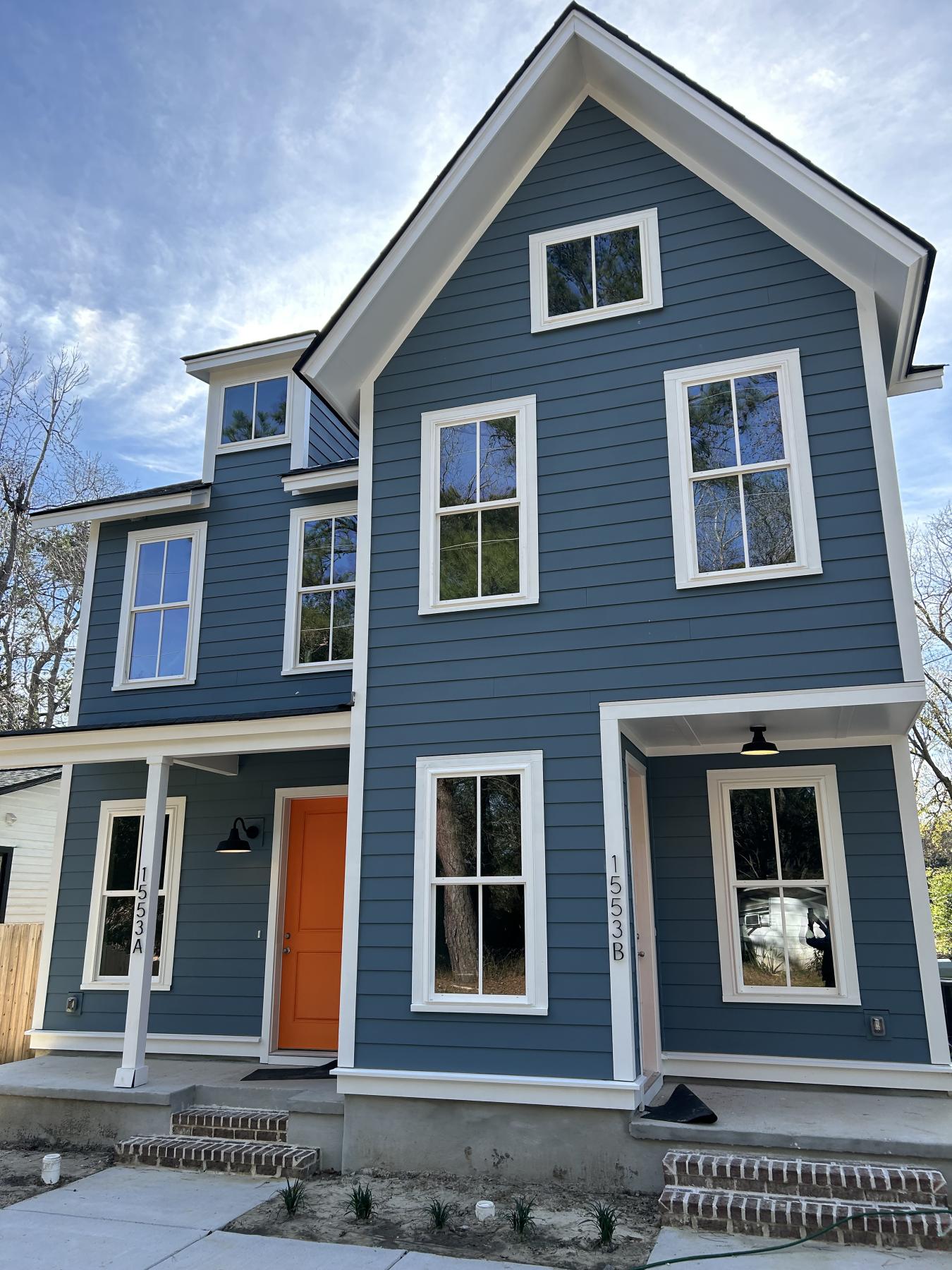
Charleston also invests in homeownership opportunities aimed at helping residents build long-term wealth. Through the city’s Homeownership Initiative, it has developed more than 133 affordable homes for first-time buyers.
“We do recognize that for-sale products and housing that people can own also help to build wealth, help to build stability in a community,” Johnson said. “It’s hard work, and it’s slightly different from what we have been accustomed to, but it’s so important because of the need that we see not only in the Charleston community and region, but across our nation.”